

Within the current rapidly changing society, the overwhelming variety of dietary choices can make it challenging to select the right route for well-being and wellness. Ranging from keto to Mediterranean, and various other options, every diet comes with its own collection of claims, benefits, and drawbacks. While fads may promise quick results, mindful eating encourages us to pay attention to what genuinely supports our physical health. This guide seeks to provide clarity in the midst of the noise, assisting you guide through different dietary approaches to find what fits most closely with your lifestyle and goals.
Understanding the unique features of different diets can empower you to make knowledgeable choices. Whether you're interested in shedding pounds, muscle building, or general wellness, there's a diet customized for your needs. We will examine popular and trendy diets, contrast them side by side, and investigate into their effect on both the physical well-being and mental health. By shifting the emphasis from restrictive eating patterns to thoughtful consumption, you'll discover a more sustainable approach to wellness that values enjoyment and nourishment over short-term fixes.
Grasping Trending Eating Plans
In the current nutrition-oriented world, a variety of diets have surfaced, all claiming varied advantages and approaches to eating. Among the most well-known are the Keto, Paleolithic, and Mediterranean-style diets, which have gained significant attention for their distinct principles. The Ketogenic diet focuses on increased fat and minimal carbohydrate intake, asserting to promote weight loss by initiating a state of ketosis. On the flip side, the Paleo diet highlights natural foods that resemble the diets of our forebears, promoting animal protein, seafood, fresh fruits, and vegetables while avoiding artificial foods, starches, and dairy products. The Mediterranean diet, celebrated by health professionals, is abundant in fruits, vegetables, whole grains, and nutritious fats, with a significant concentration on olive oil and balanced consumption of fish and chicken.
Intermittent fasting is another growing approach that centers around when to eat rather than food choice. By alternating between periods of eating and abstaining from food, many discover that they can manage their calorie intake and improve their metabolism. Additionally, vegetarian diets, including veganism, focus on foods coming from plants, either wholly or predominantly. These diets strive for weight loss but also promote environmental sustainability and ethical considerations when it comes to dietary selections.
Each diet carries its own set of advantages and disadvantages, affecting how people may respond based on their daily routines and fitness aims. Specific eating plans, such as the DASH diet for those controlling heart health, and the FODMAP diet for people with digestive issues, highlight the importance of tailoring dietary choices to specific wellness needs. As people examine these alternative diets, grasping the essentials of each diet can assist in executing educated choices about what is most compatible with their personal aspirations and way of life.
Nutrition Analysis: Which Is Best to You?
Choosing the appropriate diet involves understanding your personal objectives, likes, and way of life. If you’re aiming to lose weight, choices such as the Keto diet, Paleo diet, and Intermittent Fasting eating can be highly effective. Each of these diets has its guidelines and methods, with Keto emphasizing on increased fat intake, the Paleo diet emphasizing natural foods similar to those consumed by our ancestors, and time-restricted eating promoting scheduled eating. Assessing how these diets fit into your daily schedule is key to sustaining lasting results.
When you aim is to adopt a more healthy lifestyle while remaining conscious of the environment, the Mediterranean or Flexitarian Diet diets may be suitable choices. The Mediterranean Diet offers a nutritionally balanced method rich in nutritious fats, lean proteins, and whole-grain foods, making it easy to adhere to while enjoying a variety of foods. At the same time, Flexitarianism allows for variation, combining vegetarian eating with occasional animal product consumption. Each plans emphasize eco-friendly eating, promoting heart health and contributing to general well-being.
If with specific health needs, targeted diets such as the Dietary Approaches to Stop Hypertension or FODMAP diets can be beneficial. The DASH is tailored to reduce blood pressure and improve heart health, making it suitable for individuals managing hypertension. On the other hand, the FODMAP assists those with digestive issues by finding and eliminating hard-to-digest sugars. Understanding the unique benefits of these diets enables you to make informed decisions that match with your health requirements and dietary preferences.
Prolonged Eating Success Tips
Committing to a diet for an extended period requires a sensible approach and an awareness of your personal objectives. Start by defining realistic, clear targets that align with your daily routine. Instead of radical alterations, implement small, feasible adjustments to your food choices that you can maintain over time. This incremental transformation reduces sensations of deprivation and helps create a long-lasting eating pattern that functions for you.
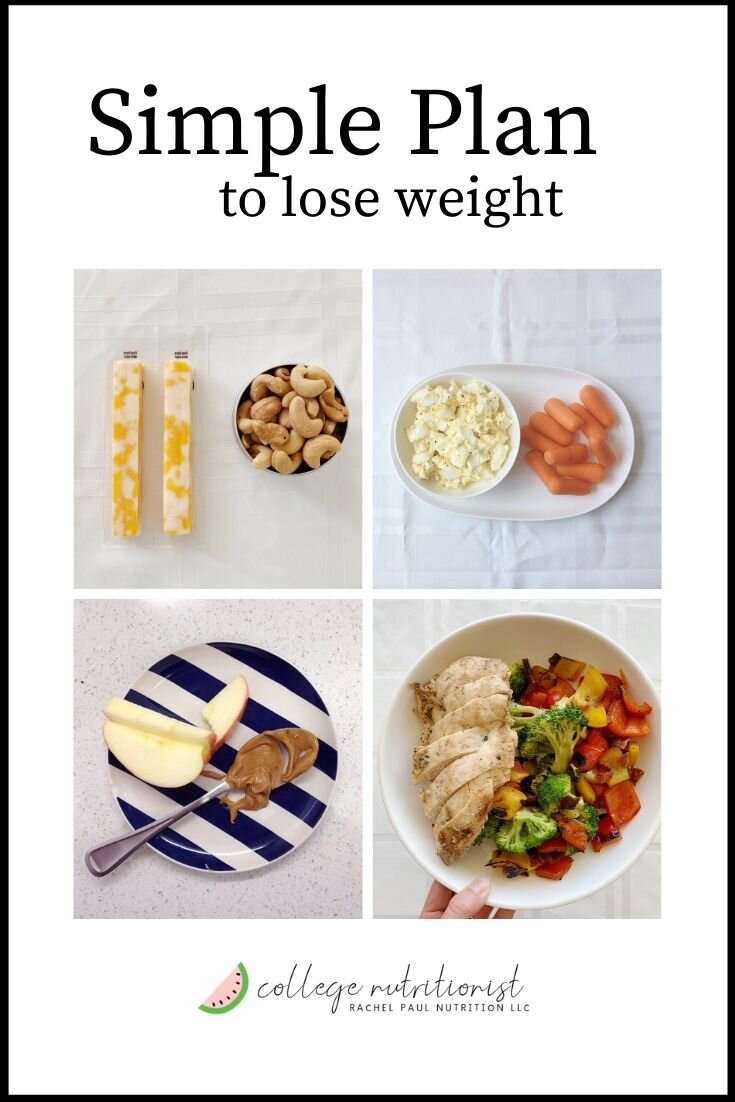
Building a support system can make a noticeable difference in sticking to your eating regimen. Share your ambitions with friends, relatives, or join a community group that shares similar eating habits. This accountability can provide motivation and boost when dealing with challenges. Celebrating minor successes with your network or keeping track of your advancements can strengthen your dedication and lift your morale.
In conclusion, be flexible and versatile with your nutrition approach. Life can be variable, and circumstances may necessitate you to modify your dietary choices. Instead of seeing this as a hindrance, welcome it as part of your path. Allow the original source without remorse, and learn to handle social situations with comfort. Keeping a positive mindset about your diet and your objectives can help you appreciate the process and attain sustained accomplishment.